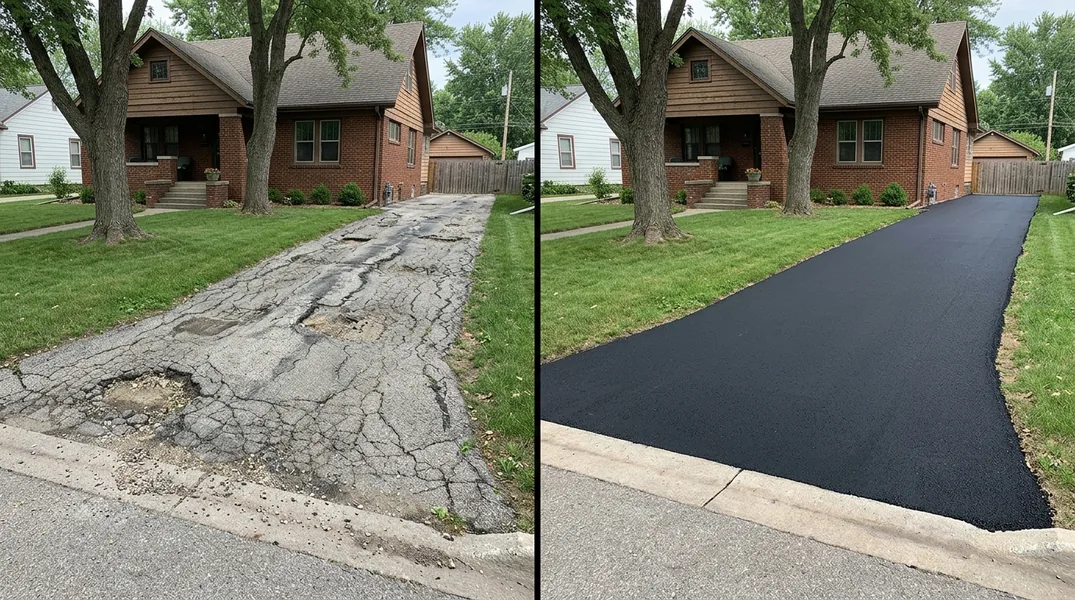
Signs Your Driveway Needs Professional Attention
Your driveway is one of the hardest working surfaces on your property. It endures constant traffic, weather changes, and the weight of vehicles day after day. Over time, even the best-maintained asphalt will show signs of wear and tear. Knowing when to call in the professionals can save you money and prevent minor issues from becoming major headaches.
Common warning signs include visible cracks, potholes, fading color, and areas where the surface has become soft or spongy. If you notice water pooling on your driveway after rain, that's a sign the surface has lost its proper slope or developed low spots. These issues don't always mean you need a complete replacement, but they do warrant professional evaluation. In Peoria, where freeze-thaw cycles can be particularly tough on asphalt, these warning signs should never be ignored.
Understanding How Long for Asphalt to Cure
One of the most common questions homeowners ask after investing in Asphalt Driveway Paving & Installation is about the curing process. New asphalt doesn't reach its full strength immediately. The material goes through several stages of hardening, and understanding this timeline is crucial for protecting your investment and ensuring longevity.
Typically, new asphalt will begin to harden within 24 to 48 hours of installation. During this initial curing phase, the surface becomes firm enough for light foot traffic. However, the asphalt continues to cure and strengthen for much longer. The material reaches approximately 85 to 90 percent of its full strength within the first week, and continues to gain strength for up to six months. This extended curing period is why proper care during the first few weeks is so important for the durability of your new driveway.
How Long Before You Can Drive on New Asphalt
If you've just had a new driveway installed, you're probably eager to use it, but patience is essential. How long before you can drive on new asphalt is one of the most practical questions homeowners need answered. The answer depends on several factors, including temperature, humidity, and the specific asphalt mix used by your contractor.
In ideal conditions, most new asphalt can support light vehicle traffic after about 48 to 72 hours. However, this doesn't mean you should immediately start parking heavy vehicles or doing burnouts on your new surface. For the first week or two, keep traffic light and avoid parking in the same spot repeatedly. In cooler weather or high humidity, curing takes longer, so you may need to wait a full week before resuming normal use. During hot summer months in Peoria, asphalt cures faster, but the heat also means the surface can be more vulnerable to damage from heavy loads or sharp objects.
New Asphalt Driveway Care: Protecting Your Investment
New asphalt driveway care is not complicated, but it does require attention and consistency. The first few weeks and months after installation are critical for establishing a long-lasting surface. Many homeowners don't realize that the care they provide during this early stage directly impacts how many years their driveway will last. Proper maintenance during the curing period sets the foundation for decades of reliable performance.
Start by avoiding heavy loads and excessive traffic during the first month. Don't park heavy trucks or RVs on the new surface, and try to distribute weight as evenly as possible. Keep your driveway clean by sweeping away debris and dirt. Avoid using harsh chemicals or salt during winter, as these can accelerate deterioration. When spring arrives, inspect the surface for any small cracks or damage and address them promptly with Pothole Repair & Asphalt Patching before they worsen. Most importantly, plan for seal coating once the asphalt has fully cured, typically around six months after installation.
How Often to Seal Driveway: A Maintenance Schedule That Works
How often to seal driveway surfaces is a question that separates homeowners who get years of service from their asphalt from those who face premature replacement. Seal coating is one of the most cost-effective maintenance investments you can make. It protects the asphalt from UV rays, moisture, and oxidation, which are the primary causes of deterioration. A properly sealed driveway can last significantly longer than an unsealed one, making this maintenance step absolutely worth the time and expense.
Most experts recommend seal coating your asphalt driveway every two to three years. However, this timeline can vary based on your local climate and how much traffic your driveway receives. In Peoria, where winters are cold and wet, you may want to seal coat more frequently, perhaps every two years, to protect against the harsh effects of freeze-thaw cycles. The first seal coat should be applied after the asphalt has fully cured, typically six months after installation. After that, regular inspections will help you determine when the seal coating is wearing thin and needs refreshing. If you notice the asphalt is starting to look faded or water is no longer beading up on the surface, it's time for a new seal coat.
Repair vs. Replace: Making the Right Decision for Your Peoria Driveway
One of the toughest decisions a homeowner faces is whether to repair an aging driveway or replace it entirely. This choice depends on several factors, including the extent of damage, the age of the surface, and your budget. Generally speaking, if your driveway is less than 15 years old and the damage is limited to a few cracks or small potholes, repair is usually the way to go. Driveway Repair services can extend the life of your asphalt and keep it looking good for years to come.
If your driveway is approaching 20 years old, showing widespread cracking, multiple potholes, or significant surface deterioration, replacement or Asphalt Resurfacing & Overlay may be more economical in the long run. Resurfacing is an excellent middle-ground option that removes the top layer of damaged asphalt and applies a fresh layer on top. This approach costs less than full replacement but gives you a driveway that looks and performs like new. The best way to determine which option is right for your situation is to have a professional assessment. Peoria Asphalt Paving can evaluate your driveway and provide honest recommendations based on what will serve you best. Call (309) 271-2274 or request a free estimate today to discuss your options and get a clear picture of your driveway's condition and the best path forward.
Looking for a professional asphalt paving contractor in Peoria? Peoria Asphalt Paving responds fast for all your asphalt paving needs.
Get a Free Quote